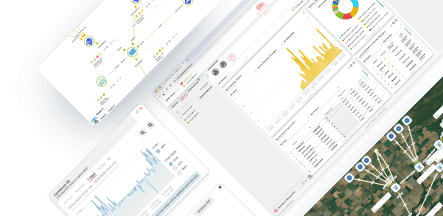
Geospatial Maps
Monitor Infrastructure Across Real-World Locations
Real-world mapping provides spatial context for device performance, enabling faster problem resolution and optimized field operations
The Challenge
Troubleshooting Without Location Context Wastes Valuable Time
When you can’t quickly pinpoint where an issue is happening, resolution times slow down. Distributed infrastructure across multiple sites creates visibility gaps that drag out troubleshooting, forcing field teams to waste valuable time hunting for device locations while problems linger and service delivery suffers.
The Impact

Delayed Response
Technicians can't quickly locate failing equipment

Inefficient Dispatch
Multiple truck rolls due to incorrect location information

Extended Outages
Geographic factors affecting network performance go unnoticed

Geospatial Maps: Location-Aware Network Intelligence
Combine Network Monitoring with Real-World Geospatial Mapping
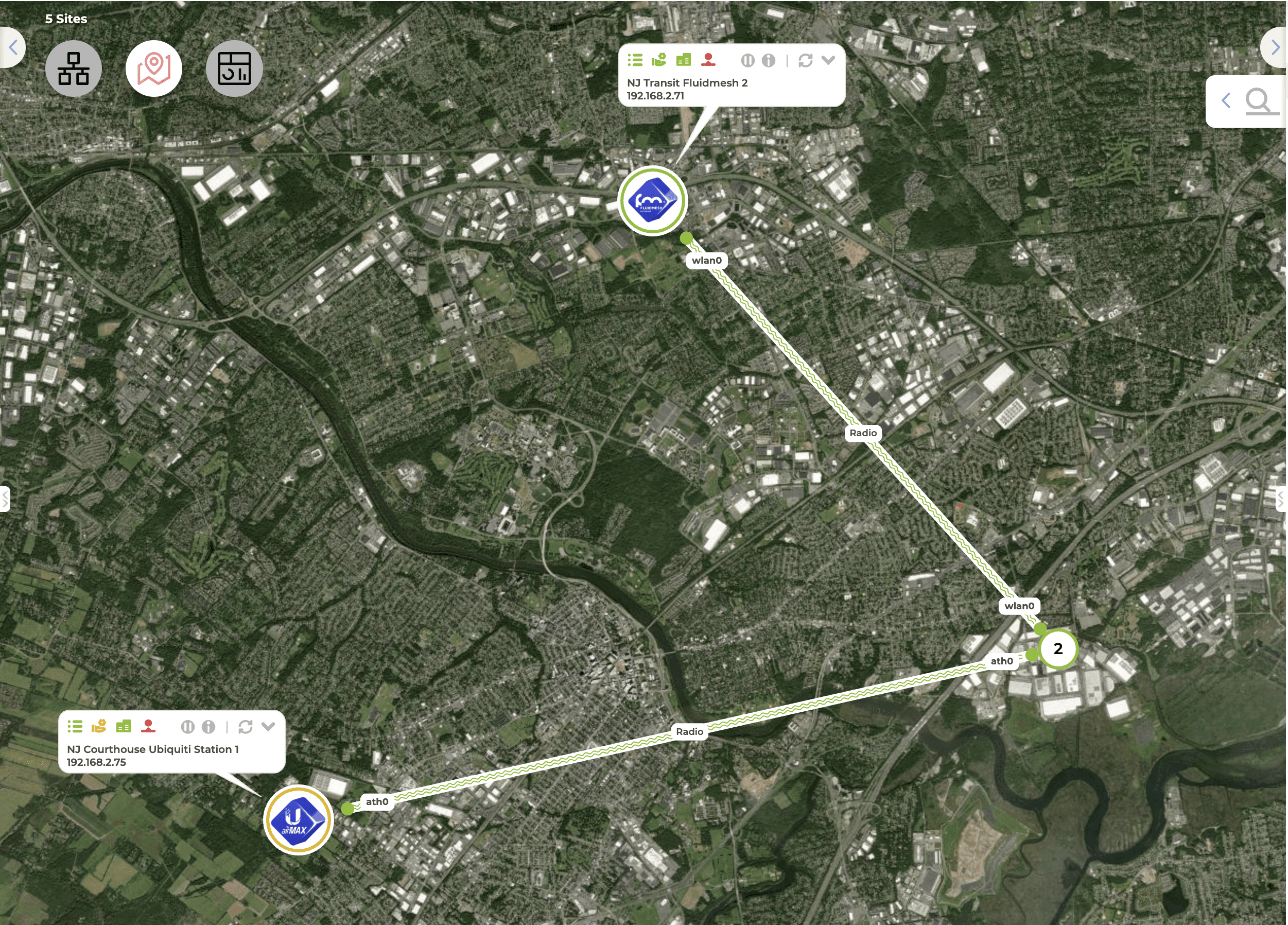
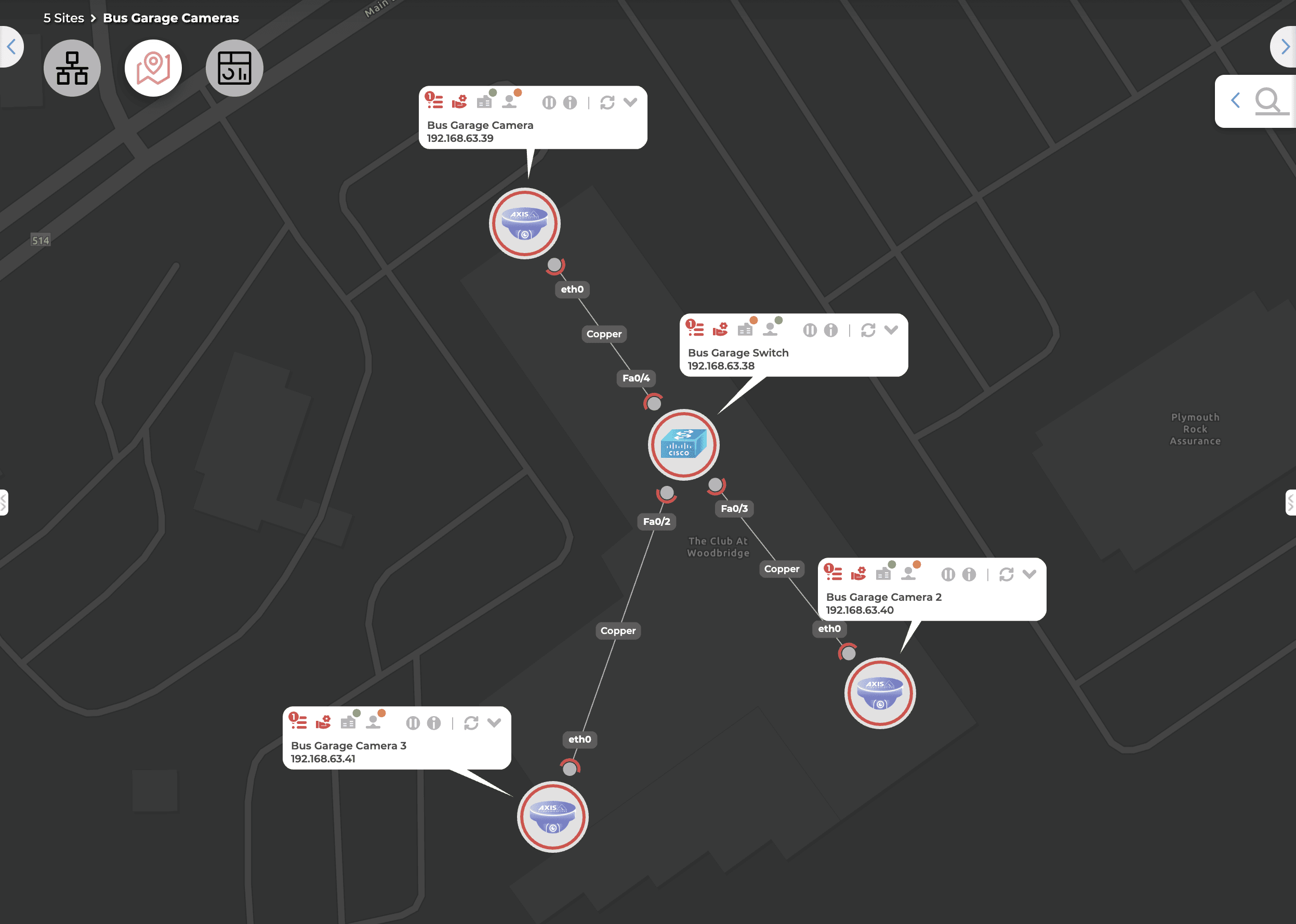
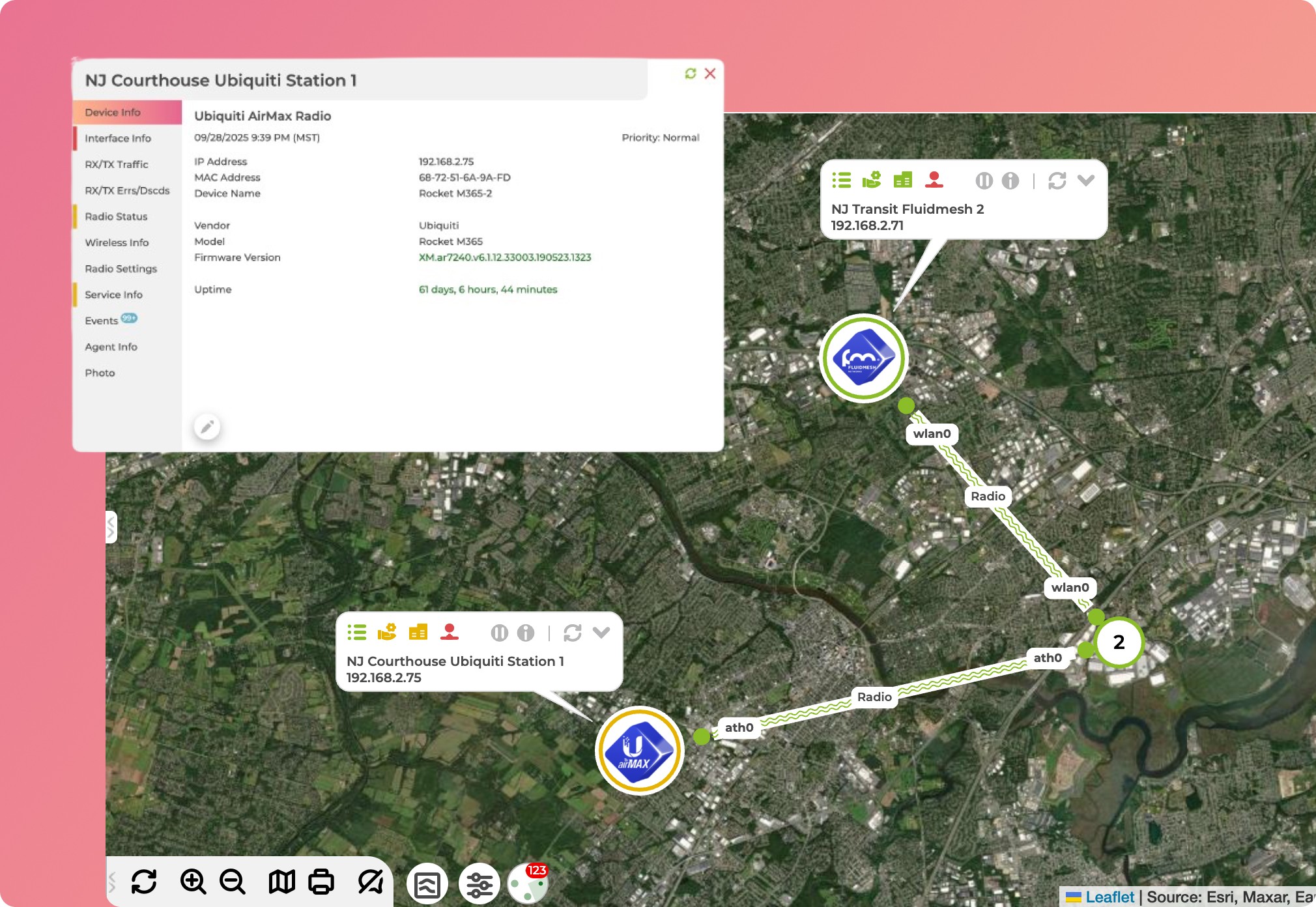
EyeOTmonitor's Geospatial Maps overlay device status, performance data, and alerts onto interactive real-world maps. Instantly locate network problems, optimize technician dispatch, and understand how geography impacts your infrastructure.


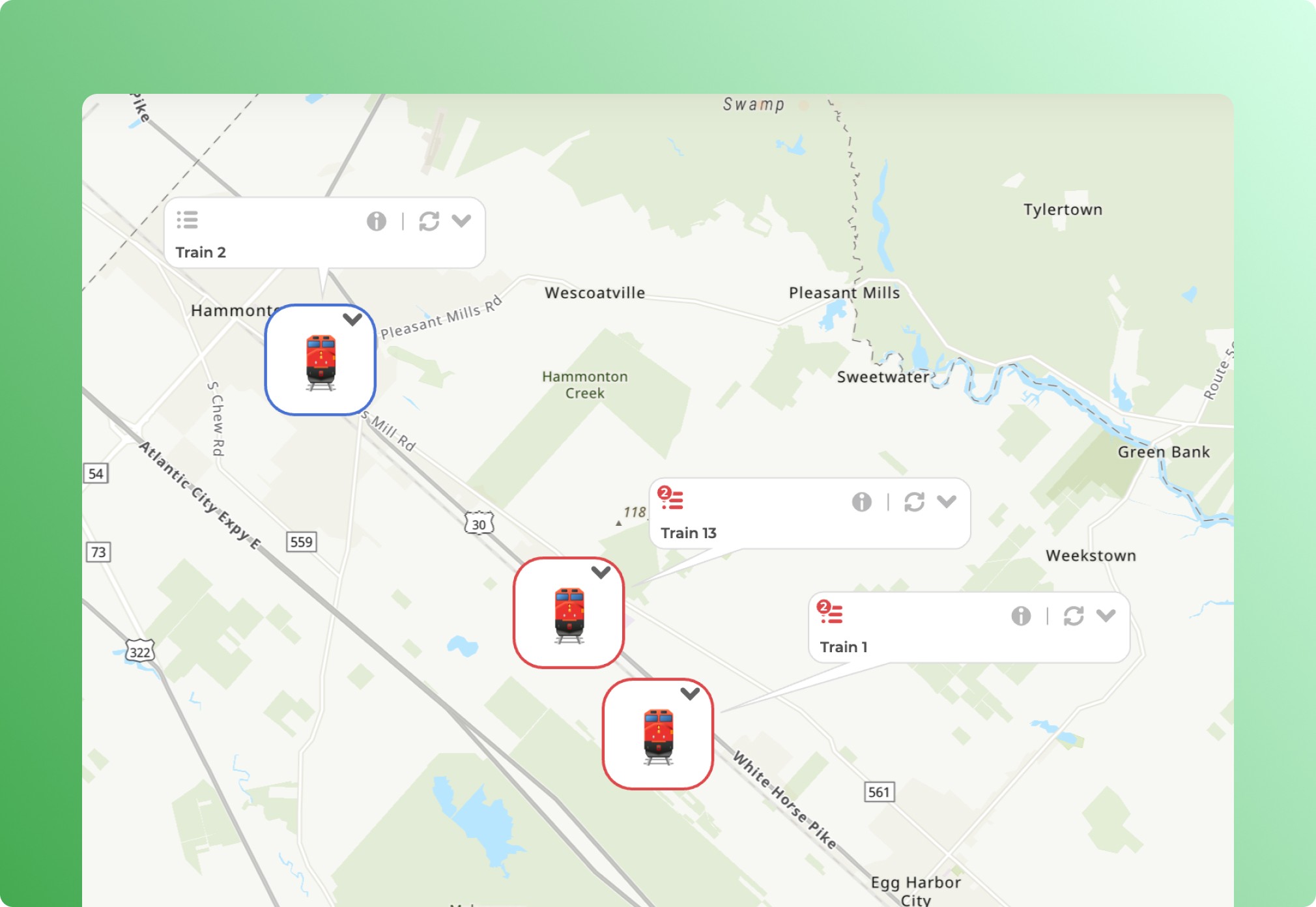

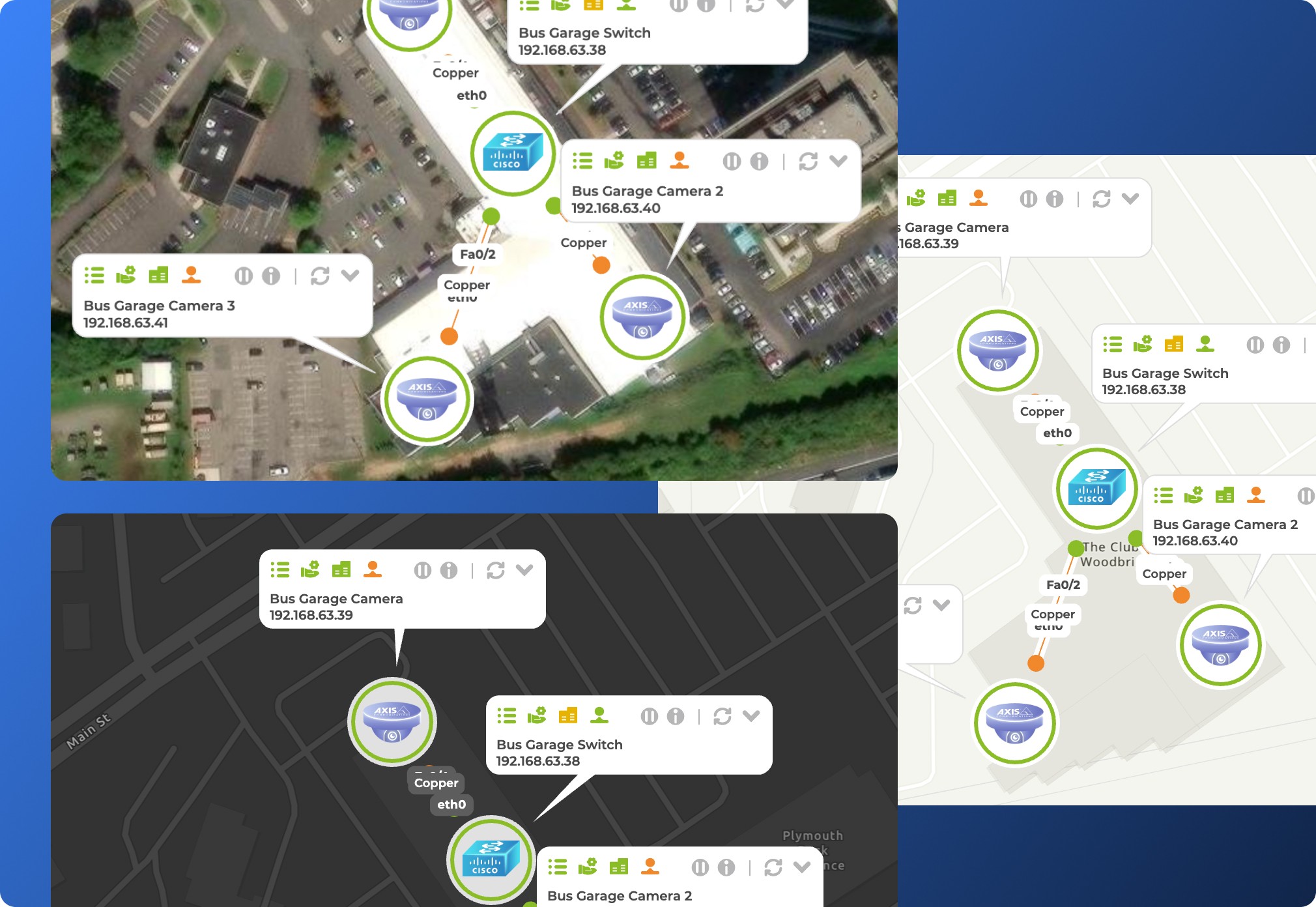
See Geospatial Maps in Action
Interactive Tour: Watch Your Network Come to Life
Experience the power of location-aware network monitoring with our interactive demo. See how real-time device mapping, mobile asset tracking, and geographic intelligence transform network operations.
What You Gain
Immediate location awareness, faster response, smarter operations

Reduce Field Response Time by 60%
Real-time device location mapping eliminates search time for technicians. Instantly identify failing equipment positions, turning hours of location hunting into minutes of targeted dispatch.

Optimize Technician Dispatch by 80%
Traffic-aware routing and geographic intelligence reduce travel time and fuel costs. Deploy field teams efficiently with precise location data and real-time traffic conditions for optimal route planning.

Prevent Location-Based Outages
Correlate network performance with geographic factors like weather, terrain, and traffic patterns. Identify environmental risks and optimize infrastructure placement based on real-world conditions.

Accelerate Asset Management
Track mobile equipment and vehicles in real-time with GPS positioning. Monitor connectivity status as assets move through coverage areas, ensuring operational continuity across distributed networks.