Camera System Planning Guide: Avoid These Placement Mistakes Before Installation
Blog
•
4 minute read
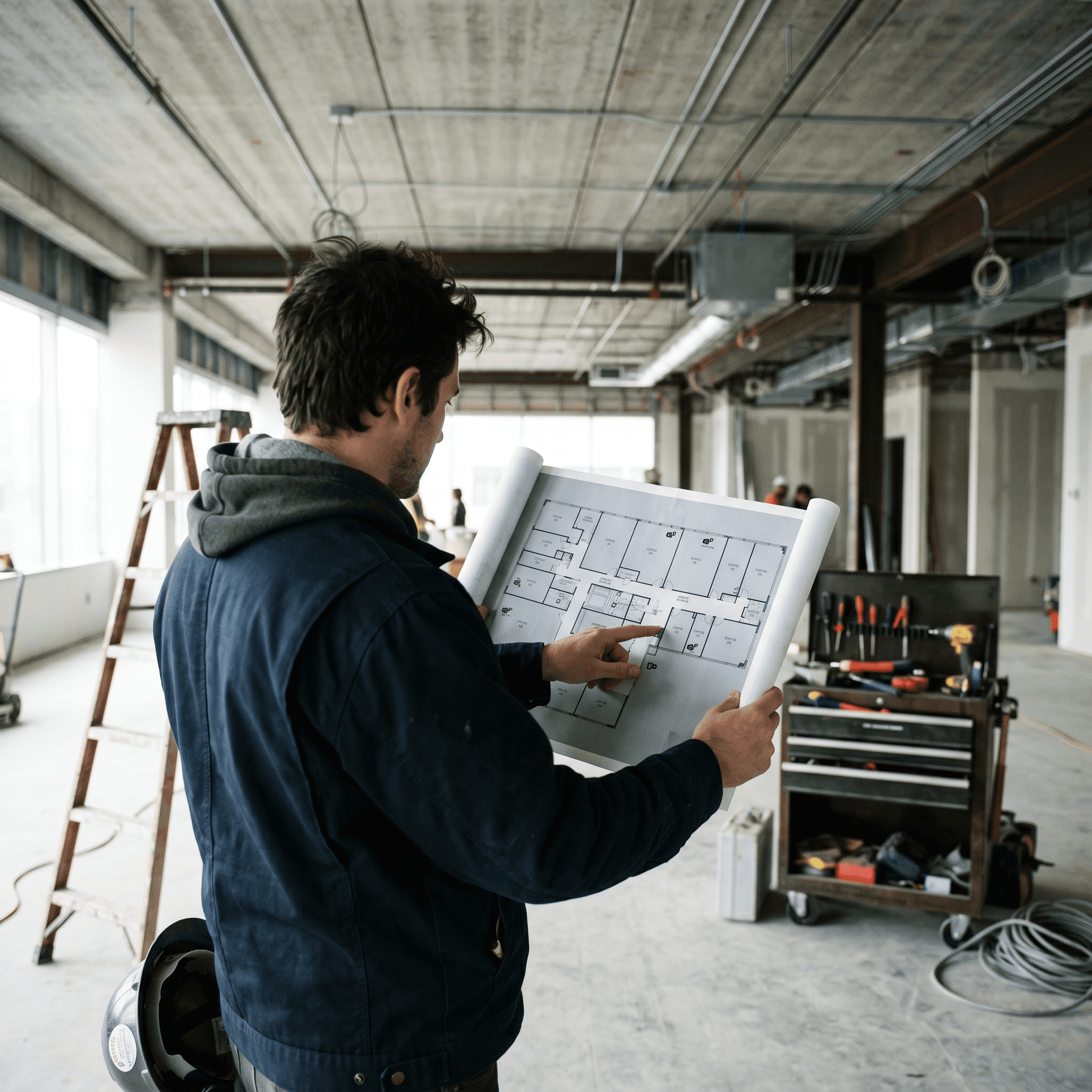
Most camera system failures don’t happen after installation.
They start during planning.
If a camera is placed incorrectly, no amount of adjustment later will fully fix it. That’s why camera system planning is one of the most important parts of any security deployment.
What Is Camera System Planning?
Camera system planning is the process of designing where cameras should be placed, what they should capture, and how they will perform in real-world conditions before installation.
It includes:
Camera placement and angles
Field of view and coverage validation
Lighting and environmental conditions
Line-of-sight analysis
Use-case driven design (identification vs monitoring)
The goal is simple:
Make sure every camera delivers usable video before it’s installed.
Why Camera Placement Matters More Than Installation
Installation is execution.
Planning is where success or failure is decided.
If placement is wrong, you’ll see:
Blind spots
Poor image quality
Missed events
Increased maintenance and truck rolls
These problems are expensive to fix after deployment.
Most Common Camera Placement Mistakes
1. Assuming Coverage Without Validation
|Many systems are designed based on assumptions instead of actual visibility.
Real-world environments introduce:
Obstructions
Changing layouts
Unexpected angles
Without validation, coverage gaps are common.
2. Ignoring Lighting Conditions
Lighting has a direct impact on image usability.
Common issues include:
Glare and reflections
Low light performance
Backlighting from windows or sun position
Testing during one time of day does not reflect real performance.
3. No Line-of-Sight Planning
Line-of-sight determines whether a camera can actually see what matters.
This is critical for:
Outdoor environments
Large facilities
Long-distance coverage
Even small obstructions can render a camera ineffective.
4. Designing Around Specs Instead of Outcomes
Resolution and field of view are often over-prioritized.
The better question is:
Can this camera capture the detail required for the use case?
For example:
Identification requires much tighter framing than general monitoring
Wide coverage often reduces usable detail
How to Improve Camera System Planning
Better outcomes come from validating design decisions before installation.
That means:
Simulating camera placement in real environments
Verifying coverage and angles
Accounting for lighting changes
Designing based on outcomes, not assumptions
Modern approaches include:
3D visualization
Line-of-sight modeling
AI-assisted camera placement
These methods reduce errors and improve system performance.
What Happens When Planning Is Done Right
When camera system planning is done correctly:
Cameras capture usable, actionable footage
Coverage gaps are minimized
Fewer adjustments are needed after install
Operational costs decrease over time
Most importantly, the system performs as expected from day one.
Final Thought
If a camera system isn’t working, the issue usually isn’t installation.
It’s planning.
Fixing that starts before the first camera is ever installed.
FAQ
What is the biggest mistake in camera system design?
The biggest mistake is assuming coverage without validating camera placement in real-world conditions. This leads to blind spots and unusable footage.
Why is camera placement important?
Camera placement determines what the camera can actually capture. Poor placement results in missed events, poor image quality, and ineffective surveillance.
How do you plan a security camera system?
You plan a system by defining use cases, validating coverage, analyzing lighting, and ensuring proper line-of-sight before installation.
What is line-of-sight in camera systems?
Line-of-sight refers to the unobstructed path between a camera and its target area. Any obstruction can reduce visibility and effectiveness.
Most camera system failures don’t happen after installation.
They start during planning.
If a camera is placed incorrectly, no amount of adjustment later will fully fix it. That’s why camera system planning is one of the most important parts of any security deployment.
What Is Camera System Planning?
Camera system planning is the process of designing where cameras should be placed, what they should capture, and how they will perform in real-world conditions before installation.
It includes:
Camera placement and angles
Field of view and coverage validation
Lighting and environmental conditions
Line-of-sight analysis
Use-case driven design (identification vs monitoring)
The goal is simple:
Make sure every camera delivers usable video before it’s installed.
Why Camera Placement Matters More Than Installation
Installation is execution.
Planning is where success or failure is decided.
If placement is wrong, you’ll see:
Blind spots
Poor image quality
Missed events
Increased maintenance and truck rolls
These problems are expensive to fix after deployment.
Most Common Camera Placement Mistakes
1. Assuming Coverage Without Validation
|Many systems are designed based on assumptions instead of actual visibility.
Real-world environments introduce:
Obstructions
Changing layouts
Unexpected angles
Without validation, coverage gaps are common.
2. Ignoring Lighting Conditions
Lighting has a direct impact on image usability.
Common issues include:
Glare and reflections
Low light performance
Backlighting from windows or sun position
Testing during one time of day does not reflect real performance.
3. No Line-of-Sight Planning
Line-of-sight determines whether a camera can actually see what matters.
This is critical for:
Outdoor environments
Large facilities
Long-distance coverage
Even small obstructions can render a camera ineffective.
4. Designing Around Specs Instead of Outcomes
Resolution and field of view are often over-prioritized.
The better question is:
Can this camera capture the detail required for the use case?
For example:
Identification requires much tighter framing than general monitoring
Wide coverage often reduces usable detail
How to Improve Camera System Planning
Better outcomes come from validating design decisions before installation.
That means:
Simulating camera placement in real environments
Verifying coverage and angles
Accounting for lighting changes
Designing based on outcomes, not assumptions
Modern approaches include:
3D visualization
Line-of-sight modeling
AI-assisted camera placement
These methods reduce errors and improve system performance.
What Happens When Planning Is Done Right
When camera system planning is done correctly:
Cameras capture usable, actionable footage
Coverage gaps are minimized
Fewer adjustments are needed after install
Operational costs decrease over time
Most importantly, the system performs as expected from day one.
Final Thought
If a camera system isn’t working, the issue usually isn’t installation.
It’s planning.
Fixing that starts before the first camera is ever installed.
FAQ
What is the biggest mistake in camera system design?
The biggest mistake is assuming coverage without validating camera placement in real-world conditions. This leads to blind spots and unusable footage.
Why is camera placement important?
Camera placement determines what the camera can actually capture. Poor placement results in missed events, poor image quality, and ineffective surveillance.
How do you plan a security camera system?
You plan a system by defining use cases, validating coverage, analyzing lighting, and ensuring proper line-of-sight before installation.
What is line-of-sight in camera systems?
Line-of-sight refers to the unobstructed path between a camera and its target area. Any obstruction can reduce visibility and effectiveness.
See EyeOTmonitor in Action
Get real-time visibility into your entire security system. Walk through the platform with our team and see how it fits your environment.
Image Health
Infrastructure Monitoring
Discovery & Mapping
Analytics
Integrations
Resources
Get Started
Pricing
© 2026 by EyeOTmonitor


See EyeOTmonitor in Action
Get real-time visibility into your entire security system. Walk through the platform with our team and see how it fits your environment.
Image Health
Infrastructure Monitoring
Discovery & Mapping
Analytics
Integrations
Resources
Get Started
Pricing
© 2026 by EyeOTmonitor
See EyeOTmonitor in Action
Get real-time visibility into your entire security system. Walk through the platform with our team and see how it fits your environment.
Image Health
Infrastructure Monitoring
Discovery & Mapping
Analytics
Solutions
By Role
Regional ISPs
Systems Integrators
MSPs
Integrations
Resources
Get Started
Pricing
© 2026 by EyeOTmonitor