From Image Health to Operational Resilience: Why Continuous Camera Health Monitoring Is Mission Critical Going Into 2026
Blog
•
6 minute read
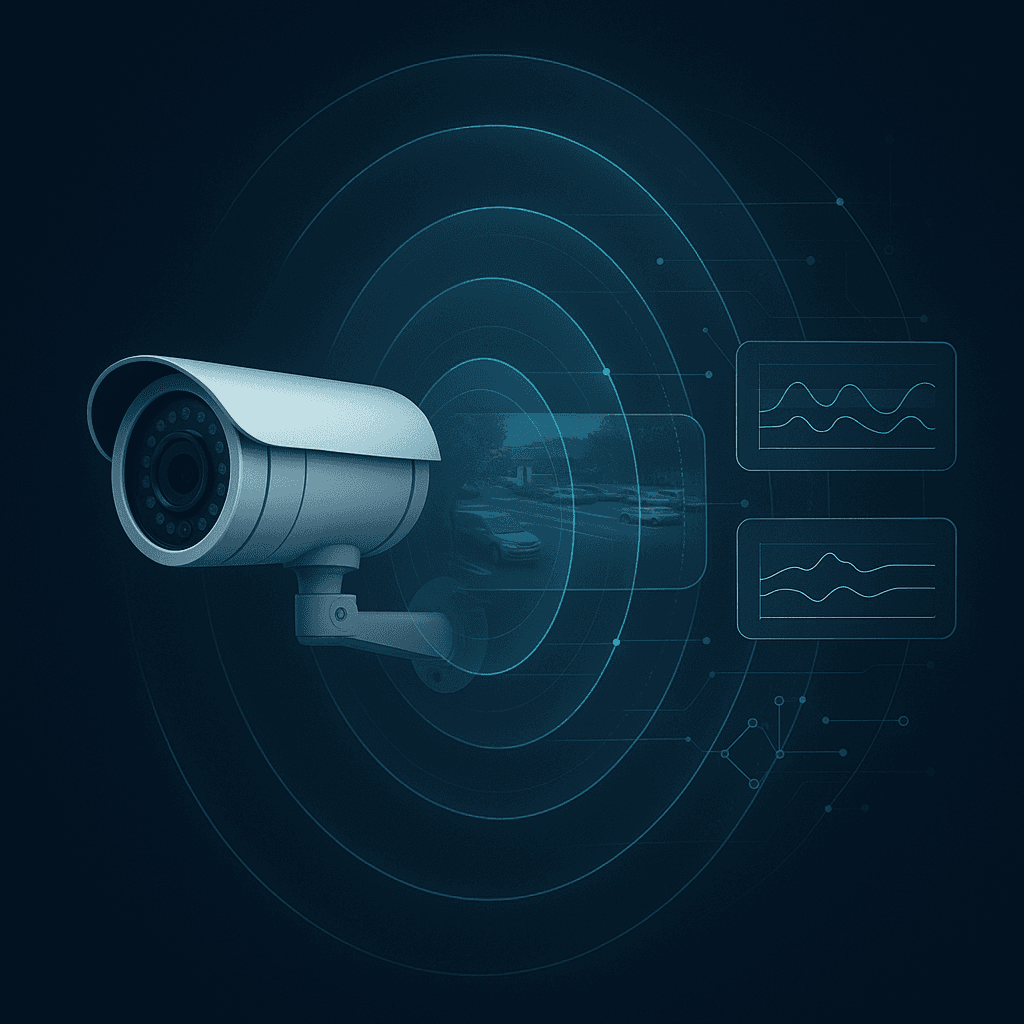
Camera health has become one of the most important conversations in physical security. In the past, if a device appeared online in the VMS, most people considered that camera healthy. Late in 2025, that definition is outdated. Cameras are now tied to AI analytics, complex networks, operational compliance, and investigative requirements. Camera health is no longer just about uptime. It now represents the condition of the entire ecosystem that makes video trustworthy.
EyeOTmonitor sits at the center of this shift. Modern camera health means understanding image clarity, network stability, device performance, configuration correctness, and recording continuity as one interconnected system. If any link breaks, the video loses value.
Camera Health Is Bigger Than “Online”
A camera can be powered, reachable, and still be unhealthy. It might be aimed incorrectly, blinded by IR reflection, degraded at night, intermittently losing packets, or failing to record. Many of these issues do not show up in a quick glance or a green status icon.
Healthy cameras must produce video that is clear and usable, maintain stable communication paths, operate without hidden device failures, and remain properly integrated with the VMS. Camera health also includes the configuration decisions and firmware that drive performance.
EyeOTmonitor continuously checks these conditions, interprets them against normal baselines, and identifies what needs attention.
Image Quality Directly Impacts Operations
Clean, consistent image quality has become a business requirement. Most major deployments rely on cameras for more than general viewing. AI models read the image to detect behavior, classify objects, trigger rules, find evidence, and speed investigations. When the image degrades, the entire value chain falls apart.
The most common failures include:
- blur or soft focus
- glare and IR reflection
- sensor noise
- tilt and mis-aim
- environmental distortion
- objects blocking the field of view
These issues tend to decline gradually. By the time someone notices, video is already compromised. EyeOTmonitor uses continuous image analysis to detect these problems early. The platform scores quality, identifies visual impairments, and calls out patterns that reduce clarity and analytics performance.
It is no longer acceptable for organizations to discover image problems only after an incident. Image health monitoring is becoming central to risk mitigation, investigative readiness, and evidence defensibility.
Most Failures Start in the Network
In 2025, the most common causes of video degradation have nothing to do with the camera itself. They come from the network that delivers power and data. Slow RF channels, intermittent packet loss, port negotiation issues, misconfigured VLANs, DHCP conflicts, and copper or fiber faults create instability that looks like a camera failure.
This is where EyeOTmonitor provides critical visibility. Instead of relying on assumptions, it measures real network conditions in telemetry form. Packet flow, throughput, link health, port statistics, power budgets, and RF patterns are captured continuously. When the path is unstable, EyeOTmonitor finds and ranks the root cause so operators know what is actually happening.
For most environments, that insight flips the approach from guessing to knowing.
Devices Now Require Deeper Monitoring
Modern cameras behave more like smart devices. They contain firmware, AI modules, compute cycles, codecs, authentication layers, and configuration stacks. That makes performance problems more subtle. Firmware drift, restart patterns, memory exhaustion, driver conflicts, or software bugs can all affect reliability without ever taking a feed offline.
These signs are easy to miss without platform level monitoring. EyeOTmonitor observes firmware alignment, CPU load, memory behavior, temperature, and restart patterns so that early warnings surface before a camera becomes unreliable. Configurations are also interpreted. When settings fall out of alignment or ONVIF profiles break compatibility, the platform highlights the risk.
This is the modern version of camera health. It recognizes that the camera is both optics and computing system.
Recording Integrity and System Dependencies Matter Too
A camera can provide a perfect feed and still be operationally unhealthy if the VMS handshake fails, if licensing is incorrect, if retention storage is pressured, or if integration settings drift. Many organizations never realize these problems until an incident occurs and footage is missing.
EyeOTmonitor tracks these dependencies so camera health becomes a full chain view. Recording continuity, connection status, handshake conflicts, storage allocation, and software linkage all matter. When any part of the chain is compromised, the video cannot be trusted.
Camera health is no longer a question of whether a device powers on. It is a measure of whether the system behind the video is functioning the way leadership expects.
Why Continuous Monitoring Is Becoming Standard
Manual checks are too slow, too incomplete, and too infrequent for large deployments. Airports, school districts, data centers, industrial sites, municipalities, and transit systems run hundreds or thousands of devices that require constant awareness. The higher the reliance on video and analytics, the tighter that monitoring must be.
Continuous camera health monitoring gives security teams:
- early warning instead of late discovery
- answers instead of guesswork
- clear prioritization of the highest impact problems
- root cause visibility without dispatching trucks
EyeOTmonitor was built for that kind of operational model. The platform replaces reactive troubleshooting with proactive understanding. It does not wait for complaints, alarms, or failed audits. It reveals what is changing as it happens.
Camera Health Monitoring Is Also Reshaping Service Models
For integrators, MSPs, and service providers, camera health has opened the door to recurring managed services and higher customer retention. Instead of responding to unclear trouble tickets, service teams can diagnose remotely, pinpoint causes, and handle issues before the customer notices them.
EyeOTmonitor supports:
- NOC style monitoring
- SLA alignment
- proactive maintenance planning
- per channel or per device service tiers
- incident documentation
- full health reporting for audits
This prevents wasted trips, reduces time on site, and turns the integrator into a long term strategic partner. When customers see continuous care, they are far more likely to renew, expand, and trust recommendations.
EyeOTmonitor Is Built for the Version of Camera Health Emerging Now
The industry is shifting fast. Insurance carriers, risk committees, compliance teams, and city councils are asking whether cameras are functional and recorded correctly at any given moment. They want evidence that systems are reliable. They want proof that blind spots do not exist. They want to know that analytics are reading accurate images.
Camera health monitoring answers those questions, but not if it is limited to green checkmarks for online status. It requires image scoring, network path diagnostics, device performance intelligence, firmware clarity, configuration validation, recording verification, and severity based interpretation.
These capabilities are not aspirational. They are already central to EyeOTmonitor’s core platform.
EyeOTmonitor did not start as an uptime watcher. It was designed as a system that understands cause and effect inside a modern surveillance environment. It finds failures before they matter, turns signals into knowledge, and brings clarity to the systems that protect people, assets, and operations.
Final Perspective
As we move into 2026, camera health is becoming a category of its own. Organizations are beginning to view it alongside access control policy, cybersecurity posture, and evidence management. They recognize that a simple online indicator does not guarantee usable video or reliable analytics.
Healthy cameras must produce clean images, sit on stable networks, run healthy device firmware and configuration, record properly into their management systems, and operate predictably over time.
That is the true definition of camera health.
And it is exactly what EyeOTmonitor monitors, interprets, and delivers.
Camera health has become one of the most important conversations in physical security. In the past, if a device appeared online in the VMS, most people considered that camera healthy. Late in 2025, that definition is outdated. Cameras are now tied to AI analytics, complex networks, operational compliance, and investigative requirements. Camera health is no longer just about uptime. It now represents the condition of the entire ecosystem that makes video trustworthy.
EyeOTmonitor sits at the center of this shift. Modern camera health means understanding image clarity, network stability, device performance, configuration correctness, and recording continuity as one interconnected system. If any link breaks, the video loses value.
Camera Health Is Bigger Than “Online”
A camera can be powered, reachable, and still be unhealthy. It might be aimed incorrectly, blinded by IR reflection, degraded at night, intermittently losing packets, or failing to record. Many of these issues do not show up in a quick glance or a green status icon.
Healthy cameras must produce video that is clear and usable, maintain stable communication paths, operate without hidden device failures, and remain properly integrated with the VMS. Camera health also includes the configuration decisions and firmware that drive performance.
EyeOTmonitor continuously checks these conditions, interprets them against normal baselines, and identifies what needs attention.
Image Quality Directly Impacts Operations
Clean, consistent image quality has become a business requirement. Most major deployments rely on cameras for more than general viewing. AI models read the image to detect behavior, classify objects, trigger rules, find evidence, and speed investigations. When the image degrades, the entire value chain falls apart.
The most common failures include:
- blur or soft focus
- glare and IR reflection
- sensor noise
- tilt and mis-aim
- environmental distortion
- objects blocking the field of view
These issues tend to decline gradually. By the time someone notices, video is already compromised. EyeOTmonitor uses continuous image analysis to detect these problems early. The platform scores quality, identifies visual impairments, and calls out patterns that reduce clarity and analytics performance.
It is no longer acceptable for organizations to discover image problems only after an incident. Image health monitoring is becoming central to risk mitigation, investigative readiness, and evidence defensibility.
Most Failures Start in the Network
In 2025, the most common causes of video degradation have nothing to do with the camera itself. They come from the network that delivers power and data. Slow RF channels, intermittent packet loss, port negotiation issues, misconfigured VLANs, DHCP conflicts, and copper or fiber faults create instability that looks like a camera failure.
This is where EyeOTmonitor provides critical visibility. Instead of relying on assumptions, it measures real network conditions in telemetry form. Packet flow, throughput, link health, port statistics, power budgets, and RF patterns are captured continuously. When the path is unstable, EyeOTmonitor finds and ranks the root cause so operators know what is actually happening.
For most environments, that insight flips the approach from guessing to knowing.
Devices Now Require Deeper Monitoring
Modern cameras behave more like smart devices. They contain firmware, AI modules, compute cycles, codecs, authentication layers, and configuration stacks. That makes performance problems more subtle. Firmware drift, restart patterns, memory exhaustion, driver conflicts, or software bugs can all affect reliability without ever taking a feed offline.
These signs are easy to miss without platform level monitoring. EyeOTmonitor observes firmware alignment, CPU load, memory behavior, temperature, and restart patterns so that early warnings surface before a camera becomes unreliable. Configurations are also interpreted. When settings fall out of alignment or ONVIF profiles break compatibility, the platform highlights the risk.
This is the modern version of camera health. It recognizes that the camera is both optics and computing system.
Recording Integrity and System Dependencies Matter Too
A camera can provide a perfect feed and still be operationally unhealthy if the VMS handshake fails, if licensing is incorrect, if retention storage is pressured, or if integration settings drift. Many organizations never realize these problems until an incident occurs and footage is missing.
EyeOTmonitor tracks these dependencies so camera health becomes a full chain view. Recording continuity, connection status, handshake conflicts, storage allocation, and software linkage all matter. When any part of the chain is compromised, the video cannot be trusted.
Camera health is no longer a question of whether a device powers on. It is a measure of whether the system behind the video is functioning the way leadership expects.
Why Continuous Monitoring Is Becoming Standard
Manual checks are too slow, too incomplete, and too infrequent for large deployments. Airports, school districts, data centers, industrial sites, municipalities, and transit systems run hundreds or thousands of devices that require constant awareness. The higher the reliance on video and analytics, the tighter that monitoring must be.
Continuous camera health monitoring gives security teams:
- early warning instead of late discovery
- answers instead of guesswork
- clear prioritization of the highest impact problems
- root cause visibility without dispatching trucks
EyeOTmonitor was built for that kind of operational model. The platform replaces reactive troubleshooting with proactive understanding. It does not wait for complaints, alarms, or failed audits. It reveals what is changing as it happens.
Camera Health Monitoring Is Also Reshaping Service Models
For integrators, MSPs, and service providers, camera health has opened the door to recurring managed services and higher customer retention. Instead of responding to unclear trouble tickets, service teams can diagnose remotely, pinpoint causes, and handle issues before the customer notices them.
EyeOTmonitor supports:
- NOC style monitoring
- SLA alignment
- proactive maintenance planning
- per channel or per device service tiers
- incident documentation
- full health reporting for audits
This prevents wasted trips, reduces time on site, and turns the integrator into a long term strategic partner. When customers see continuous care, they are far more likely to renew, expand, and trust recommendations.
EyeOTmonitor Is Built for the Version of Camera Health Emerging Now
The industry is shifting fast. Insurance carriers, risk committees, compliance teams, and city councils are asking whether cameras are functional and recorded correctly at any given moment. They want evidence that systems are reliable. They want proof that blind spots do not exist. They want to know that analytics are reading accurate images.
Camera health monitoring answers those questions, but not if it is limited to green checkmarks for online status. It requires image scoring, network path diagnostics, device performance intelligence, firmware clarity, configuration validation, recording verification, and severity based interpretation.
These capabilities are not aspirational. They are already central to EyeOTmonitor’s core platform.
EyeOTmonitor did not start as an uptime watcher. It was designed as a system that understands cause and effect inside a modern surveillance environment. It finds failures before they matter, turns signals into knowledge, and brings clarity to the systems that protect people, assets, and operations.
Final Perspective
As we move into 2026, camera health is becoming a category of its own. Organizations are beginning to view it alongside access control policy, cybersecurity posture, and evidence management. They recognize that a simple online indicator does not guarantee usable video or reliable analytics.
Healthy cameras must produce clean images, sit on stable networks, run healthy device firmware and configuration, record properly into their management systems, and operate predictably over time.
That is the true definition of camera health.
And it is exactly what EyeOTmonitor monitors, interprets, and delivers.
See EyeOTmonitor in Action
Get real-time visibility into your entire security system. Walk through the platform with our team and see how it fits your environment.
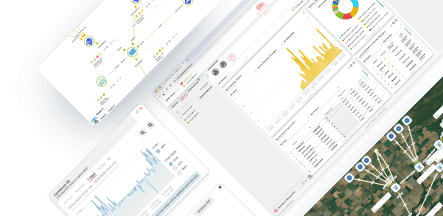
Image Health
Infrastructure Monitoring
Discovery & Mapping
Analytics
Integrations
Resources
Get Started
Pricing
© 2026 by EyeOTmonitor

See EyeOTmonitor in Action
Get real-time visibility into your entire security system. Walk through the platform with our team and see how it fits your environment.
Image Health
Infrastructure Monitoring
Discovery & Mapping
Analytics
Integrations
Resources
Get Started
Pricing
© 2026 by EyeOTmonitor
See EyeOTmonitor in Action
Get real-time visibility into your entire security system. Walk through the platform with our team and see how it fits your environment.
Image Health
Infrastructure Monitoring
Discovery & Mapping
Analytics
Solutions
By Role
Regional ISPs
Systems Integrators
MSPs
Integrations
Resources
Get Started
Pricing
© 2026 by EyeOTmonitor